Velvis
Well-Known Member
- Reaction score
- 56
- Location
- Medfield, MA
What's the best way to license single Google Workspace user for an Office license?



Very common for Google shops to have an M365 tenant using the company's domain, with either separate logons or configured to leverage GSuite as an identity provider, just to deliver Apps for Business.I think they want the desktop applications. I am waiting to hear specifics.
Unrelated to this client but rather a different client; can the same be done in reverse? Ie a M365 business with a handful of users wanting to use Google Workspace?Very common for Google shops to have an M365 tenant using the company's domain, with either separate logons or configured to leverage GSuite as an identity provider, just to deliver Apps for Business.
Yes, the constraint is email. Only one platform can have email flowing to it. You can configure either platform to use the other as the identity provider and let users do single signon. But the platform that doesn't own the MX record won't be able to use email quite right, which causes some odd issues in notifications. But otherwise yes, if you're willing to pay for both platforms you absolutely can run both. They just both have licensing bundles configured to make you buy everything twice when you do that.Unrelated to this client but rather a different client; can the same be done in reverse? Ie a M365 business with a handful of users wanting to use Google Workspace?
Buying twice would only apply to the users using both?Yes, the constraint is email. Only one platform can have email flowing to it. You can configure either platform to use the other as the identity provider and let users do single signon. But the platform that doesn't own the MX record won't be able to use email quite right, which causes some odd issues in notifications. But otherwise yes, if you're willing to pay for both platforms you absolutely can run both. They just both have licensing bundles configured to make you buy everything twice when you do that.
It’s desktop apps. exe versions that run locally in your operating system just like the old days.I guess this depends on what "Office license" means, and I'm not trying to be snarky.
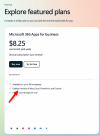
I believe that the plan that @timeshifter alludes to includes what its name states: apps, not desktop apps, for business although I don't find the page clear about that.
If desktop apps for things like Word, Excel, etc., are needed, that's a big factor in what the "minimum" license type might be.
Depends... mostly yes this is true but there are times when it isn't. Google famously requires a license for an admin user for example. There are other use cases that cost as well.Buying twice would only apply to the users using both?